
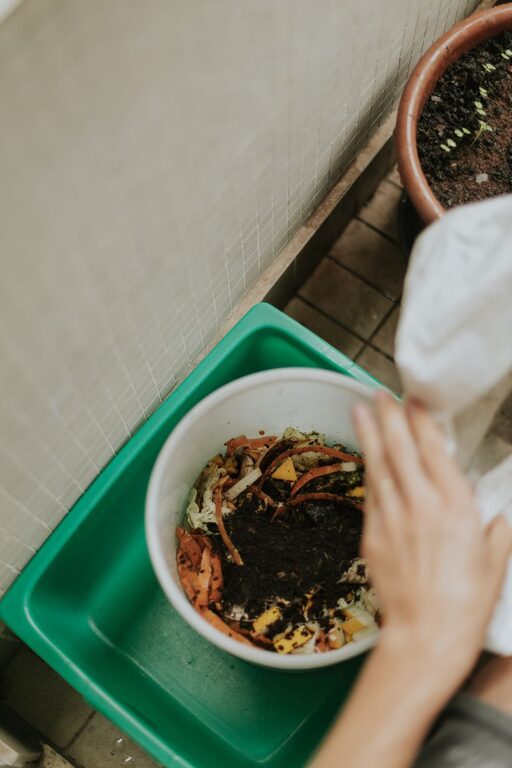
Composting is an eco-friendly way to recycle kitchen scraps and yard waste, transforming them into rich, natural fertilizer for your garden. If you’re new to composting, it might seem complicated, but with a few simple tips, you can get started and enjoy the benefits of healthier plants and less household waste. This guide will walk you through the basics of composting at home and provide helpful advice for beginners.
What Is Composting?
Composting is the natural process of breaking down organic materials like food scraps, leaves, and grass clippings into nutrient-rich soil. Microorganisms, worms, and other decomposers help turn these materials into humus, which improves soil health and plant growth.
Benefits of Composting at Home
– Reduces waste: Composting keeps food scraps and yard waste out of landfills.
– Improves soil: Compost enriches your garden soil with essential nutrients.
– Saves money: Healthy soil means you can reduce the need for chemical fertilizers.
– Supports the environment: Composting cuts methane emissions from landfills and promotes sustainable living.
Getting Started: Choosing Your Composting Method
There are several ways to compost at home. Pick one that fits your space, time, and needs.
1. Compost Bin
A compost bin is a container specifically designed to hold your compost materials. It keeps things tidy and helps speed up decomposition by retaining heat and moisture.
– Pros: Keeps your compost contained and less smelly.
– Cons: May require initial cost and regular turning.
2. Compost Pile
Simply pile your organic materials outdoors in a corner of your yard.
– Pros: No cost, easy to start.
– Cons: Requires more space, may attract pests if not managed well.
3. Tumbler Composters
These are sealed barrels on a rotating axis that make mixing compost easy.
– Pros: Faster composting, less odor.
– Cons: More expensive, limited capacity.
4. Worm Composting (Vermicomposting)
Using special composting worms, this method works well indoors or in small spaces.
– Pros: Great for small spaces, produces nutrient-rich castings.
– Cons: Requires care of worms, not suitable for all materials.
What to Compost: Browns and Greens
Successful composting depends on balancing “green” and “brown” materials.
– Greens: These are nitrogen-rich materials like fruit and vegetable scraps, coffee grounds, fresh grass clippings, and tea bags.
– Browns: These provide carbon and include dry leaves, straw, shredded paper, cardboard, and small branches.
A good rule of thumb is to mix about two to three parts brown to one part green materials. Browns keep the compost aerated and reduce odors, while greens provide moisture and nutrients.
What Not to Compost
Avoid adding these to your compost to prevent bad smells, pests, or disease:
– Meat, fish, dairy, and oils
– Diseased plants or weeds with seeds
– Pet waste (dog or cat feces)
– Synthetic chemicals or treated wood
– Large branches that take too long to break down
Tips for Successful Composting
1. Chop or Shred Materials
Smaller pieces decompose faster. Chop vegetable scraps and shred leaves or paper before adding them.
2. Keep It Moist
Your compost should be as damp as a wrung-out sponge. Water dry piles if needed, but don’t make it soggy.
3. Turn Your Pile Regularly
Mixing your compost every week or two adds oxygen, speeding up decomposition and reducing odors.
4. Monitor Temperature
Active compost piles heat up as microbes work. A temperature between 110°F and 160°F means good activity. Use a compost thermometer if you want to monitor.
5. Be Patient
Composting takes several months. Finished compost looks dark, crumbly, and earthy-smelling.
Using Your Finished Compost
Once fully broken down, compost can be used to:
– Mix into garden soil to improve texture and fertility.
– Mulch around plants to retain moisture and suppress weeds.
– Feed indoor or potted plants by mixing a small amount into their soil.
Common Questions for Composting Beginners
How much compost can I expect?
From average kitchen and yard waste, you might reduce the volume by half to two-thirds through composting.
Can I compost in an apartment?
Yes! Vermicomposting or small indoor compost bins designed for countertop use work well in limited spaces.
What if my compost smells bad?
Bad smells usually mean too much green material or moisture. Add more browns and turn the pile to introduce air.
How do I keep pests away?
Avoid adding meat or oily foods. Use enclosed bins or cover fresh scraps with browns.
Final Thoughts
Composting is a rewarding and straightforward way to reduce waste and nourish your garden naturally. Start small, keep the balance between green and brown materials, and be patient. Over time, you’ll have nutrient-packed compost ready to boost your plants and make your home more sustainable.
Ready to start composting? Gather your materials, pick a method, and enjoy the process of turning scraps into garden gold!