
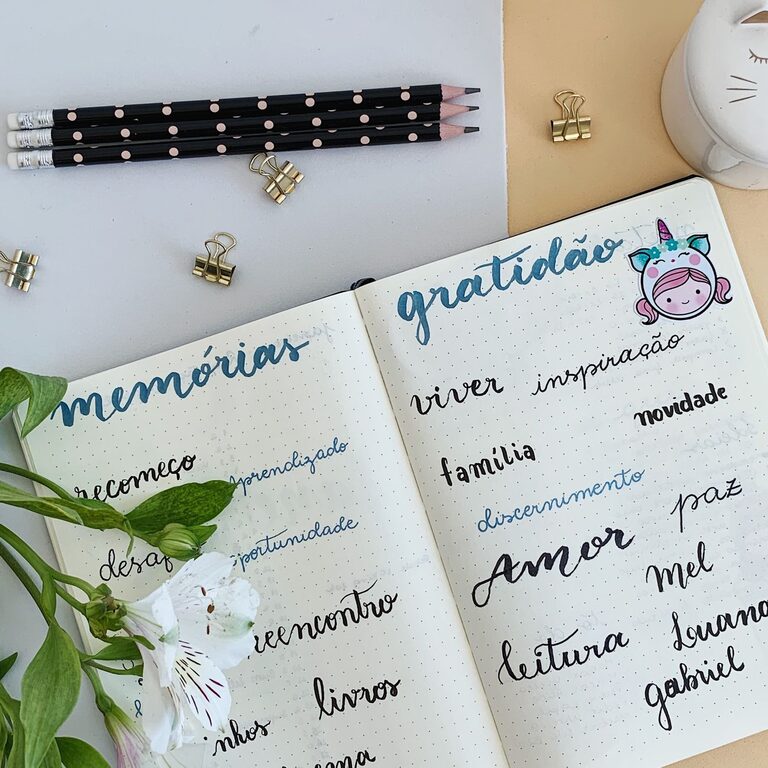
Journaling is a powerful practice that can help you organize your thoughts, track goals, and boost your mental well-being. If you’re new to journaling or want to make it a daily habit, this beginner guide will walk you through everything you need to know to get started and stay consistent.
Why Journal Every Day?
Daily journaling offers many benefits:
– Improves mental clarity: Writing your thoughts reduces stress and helps clarify your feelings.
– Boosts creativity: Regular writing exercises unlock new ideas and perspective.
– Tracks progress: Record your goals and achievements to see how far you’ve come.
– Enhances mindfulness: Spending time reflecting helps you stay present and grateful.
– Strengthens writing skills: The more you write, the better you become.
Even just a few minutes a day can make a big difference.
Choosing Your Journaling Method
Before you begin, decide how you want to journal. Here are some common options:
Traditional Paper Journal
– Provides a tactile experience many find relaxing.
– No screen distractions.
– Choose a notebook that feels right – lined, blank, or dotted pages.
Digital Journaling
– Use apps like Day One, Evernote, or even a simple Notes app.
– Easy to organize and search past entries.
– Accessible on multiple devices.
Choose the method that feels most comfortable and sustainable for your lifestyle.
Setting Up for Daily Success
Establishing a routine is key to making journaling a habit. Here’s how to set yourself up:
Pick a Consistent Time
Try journaling at the same time every day, such as:
– Morning: Set the tone for the day.
– Evening: Reflect on the day’s events and lessons.
– Lunch break: A quick mental reset.
Create a Comfortable Space
Find a quiet spot where you feel relaxed and won’t be interrupted. Consider adding:
– Soft lighting
– Comfortable seating
– A favorite pen or notebook
Start Small
Aim for 5 minutes or 3-5 sentences initially. This keeps journaling manageable and helps avoid overwhelm.
What to Write About: Ideas for Beginners
If you’re unsure what to write, here are some prompts and ideas:
Daily Reflection
– What happened today?
– How are you feeling right now?
– What are you grateful for?
Goal Tracking
– What are your short-term and long-term goals?
– What steps did you take today toward those goals?
– What obstacles did you face?
Creative Writing
– Write a short poem or story.
– Describe a scene from your day in detail.
– Explore your dreams and fantasies.
Mindfulness and Emotions
– Describe your current mood and why.
– List three positive things that happened today.
– Reflect on a challenge and what you learned.
Tips to Stay Consistent
Building any new habit takes time. Here are some ways to keep up with daily journaling:
– Set reminders: Use your phone or calendar to prompt you.
– Keep your journal visible: Place it somewhere you’ll see it often.
– Don’t worry about perfection: Your journal is for you, so write freely.
– Allow flexibility: If you miss a day, don’t get discouraged; just start again.
– Mix it up: Change prompts or writing styles to keep it interesting.
Overcoming Common Challenges
Finding Time
If time is tight, remember journaling doesn’t have to be lengthy. Even a quick note or bullet list counts.
Feeling Stuck
If you don’t know what to write, try using prompts or typing “I don’t know what to write…” and see where it leads.
Privacy Concerns
If you’re worried about others reading your journal, consider password-protected digital apps or keeping your notebook in a secure place.
Final Thoughts
Journaling every day is a simple yet powerful habit that anyone can adopt. By choosing a method you enjoy, setting a routine, and keeping your approach flexible, you’ll find that this practice can enrich your life in many ways — from managing stress to nurturing creativity.
Start small, be kind to yourself, and watch how daily journaling can become a valuable part of your personal growth journey. Happy journaling!